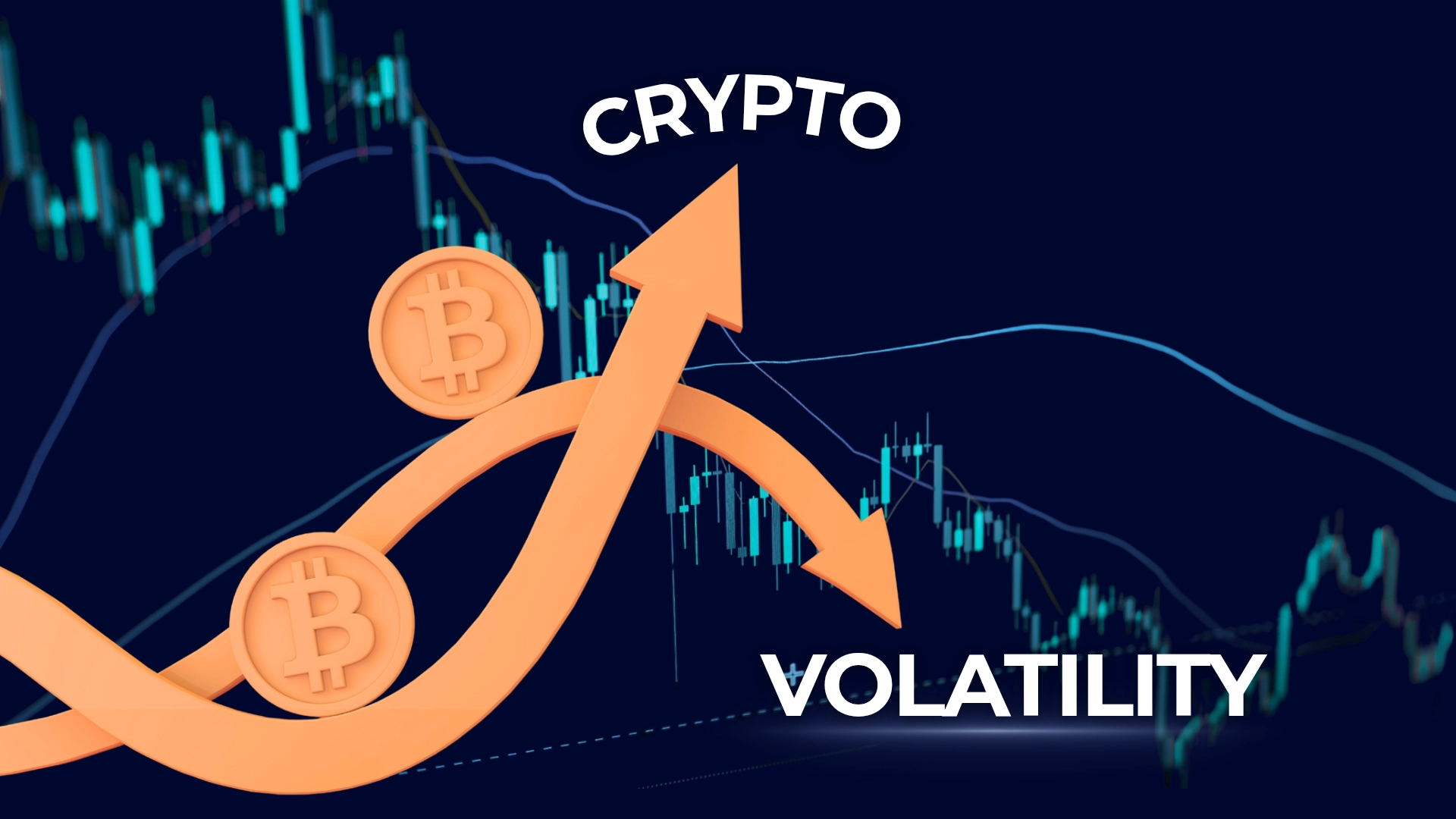
The crypto market has once again demonstrated its capacity for rapid change. Sharp price movements, whether upward or downward, have returned volatility to the forefront of attention. For anyone involved in this space, these fluctuations serve as a reminder of how quickly market conditions can shift.
Cryptocurrency exchanges operate continuously, 24 hours a day, seven days a week, unlike most stock markets which have fixed trading hours and holidays. This constant activity means that news, speculation, leveraged positions, and collective sentiment can influence prices simultaneously. Large movements rarely result from a single factor. Instead, they often emerge from multiple forces interacting at once, creating sharp swings in value.
Consider the 2022 Bitcoin downturn, when the price fell to roughly $20,000 by mid-2022, losing more than 60 percent of its value. This period highlighted how rapidly sentiment can change and how even experienced market participants can be caught off guard. Sudden declines like these show how fear can intensify selling pressure and accelerate downward moves.
Human psychology plays a central role in crypto volatility. Fear often drives sell-offs, while greed can amplify rallies. Emotional reactions frequently push prices beyond their underlying value in either direction. Understanding these behavioral patterns is essential for interpreting market movements clearly without reacting impulsively. While some traders thrive in volatile conditions, others find constant price fluctuations stressful.
Volatility itself is not inherently negative. Red candles do not automatically signal weakness, and green candles do not guarantee strength. Market movements provide information about liquidity, participation, and sentiment. They are signals, not instructions. Recognizing this distinction allows market participants to make decisions based on analysis rather than emotion.
Viewing the market across multiple timeframes can also provide valuable perspective. Short-term charts may appear chaotic, but broader trends often reveal more consistent patterns of behavior. History shows that crypto markets move in cycles, including periods of rapid growth, consolidation, and correction. While timing varies, these structural patterns tend to repeat over time.
Volatility also creates opportunities for learning and strategic adjustment. Periods of market stress emphasize the importance of risk management, disciplined position sizing, and emotional control. Those who treat volatility as a source of information rather than panic are often better positioned to navigate market uncertainty.
So what does this mean for someone holding crypto today? Much depends on individual risk tolerance and patience. Volatility will always be present, but understanding its causes and effects can help reduce unnecessary stress and support better decision-making. Gaining perspective, zooming out, and staying disciplined remain key.
In conclusion, crypto market volatility is a defining feature rather than a flaw. It reflects both the evolving nature of digital assets and the psychological behavior of market participants. By focusing on market mechanics and maintaining a disciplined approach, traders and investors can turn periods of rapid movement into opportunities for insight, preparation, and long-term growth.